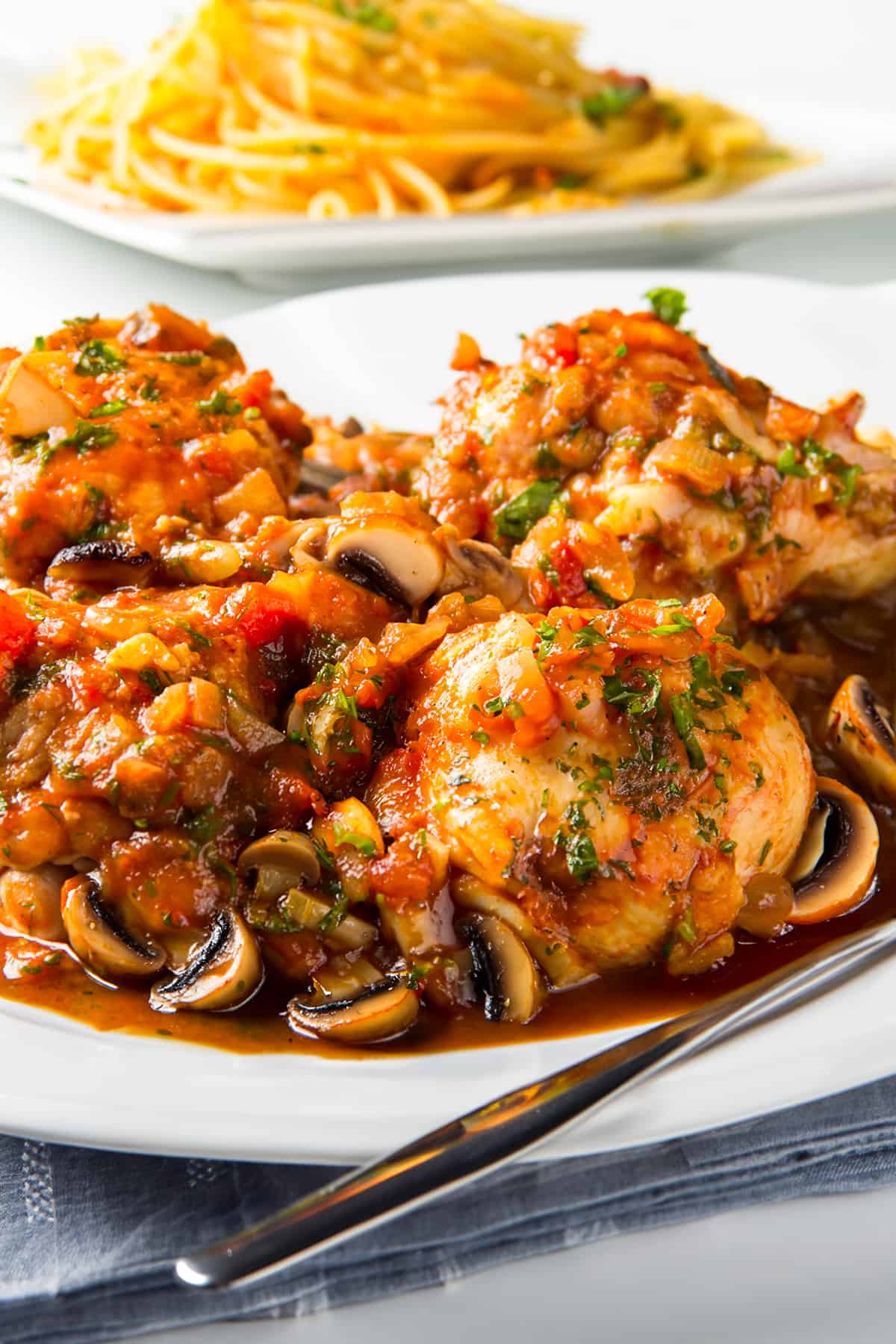
Perfect Tender Chicken Cacciatore: Your Stovetop & Slow Cooker Guide to Italian Comfort
Imagine a dish that whispers tales of rustic Italian kitchens, a symphony of robust flavors, and chicken so tender it falls off the bone. That's the magic of
chicken cacciatore, or
Pollo alla Cacciatora, a beloved Italian classic that has captivated palates for generations. More than just a meal, it's a culinary embrace, offering profound comfort and a taste of tradition that resonates with both home cooks and seasoned chefs alike. Whether you're a busy parent looking for an effortless slow cooker meal or a passionate cook eager to craft a deeply flavorful stovetop masterpiece, this guide will help you achieve the perfect tender chicken cacciatore every time.
What is Chicken Cacciatore? A Culinary Journey Through "Hunter's Style"
At its heart,
chicken cacciatore translates to "hunter's chicken," reflecting its origins as a hearty, resourceful dish that might have been prepared by hunters in the field using available game and wild herbs. While the modern version typically features succulent chicken pieces, the spirit of utilizing fresh, local ingredients remains. It's a braised dish where chicken is slow-cooked in a rich, savory tomato sauce, often infused with aromatics like onions and garlic, vibrant bell peppers, earthy mushrooms, briny olives, and fragrant herbs.
What makes chicken cacciatore truly special is its incredible versatility and the deep, soulful flavor it develops through long, gentle simmering. This dish isn't just about a recipe; it's about a tradition. While many Italian dishes boast regional variations, cacciatore is perhaps one of the most fluid. From the zesty, caper-laden versions of Sicily to the spicier, red-wine-infused renditions of Calabria, or the mushroom-rich styles found in Northern Italy, every family and every region seems to have its own cherished interpretation. This beautiful adaptability means there's no single "right" way to make it, only *your* way. To truly appreciate the breadth of this classic, you might want to
Explore Authentic Chicken Cacciatore: Regional Italian Variations and discover the nuances that make each version unique.
Crafting the Perfect Tender Chicken Cacciatore: Key Steps and Ingredients
Achieving that melt-in-your-mouth tenderness and complex flavor in your
chicken cacciatore relies on a few fundamental techniques and a selection of quality ingredients.
Choosing Your Chicken: The Foundation of Flavor
The star of the show, of course, is the chicken itself. For maximum flavor and moisture retention, a mix of bone-in, skin-on chicken thighs and drumsticks is often preferred. The bone imparts extra flavor to the sauce, while the skin, when properly seared, adds a delicious crispy texture and renders fat that enriches the entire dish. While chicken breasts can be used for a leaner option, they are more prone to drying out; if using, consider bone-in breasts or shorten cooking times.
Regardless of your cut, the first crucial step is
searing. This isn't just about browning; it's about developing layers of flavor. Searing creates a golden crust through the Maillard reaction, locking in juices and adding a depth of savory richness that a plain simmer simply cannot achieve. Use a very good quality extra-virgin olive oil for this step, as its subtle fruitiness complements the chicken beautifully.
The Flavor Foundation: Aromatics and Tomatoes
Once your chicken is beautifully browned, the flavor journey truly begins. The aromatic base of onions and garlic, sautéed until translucent and fragrant, sets the stage. Many traditional cacciatore recipes also incorporate bell peppers – a vibrant mix of red and green not only adds color but also a wonderful sweetness and slight crunch that balances the richness of the tomato sauce. If you prefer a more tomato-forward profile, you can certainly skip the peppers, as some family recipes do.
The sauce itself is built on tomatoes. While crushed tomatoes or passata provide a smooth base, canned whole cherry tomatoes offer a delightful pop of sweetness and texture. To deepen the umami and create a more robust sauce, a dollop of tomato paste is a fantastic addition, especially when sautéed briefly with the aromatics before adding the liquid. And for that quintessential Italian depth, a generous splash of dry red wine (such as Chianti or Montepulciano) is often simmered down with the aromatics, deglazing the pan and infusing the sauce with a complex, tangy backdrop.
The Hunter's Touch: Herbs, Olives, and More
What elevates
chicken cacciatore from a simple stew to an iconic dish are the finishing touches. Fresh herbs are non-negotiable for their bright, aromatic lift. Rosemary, thyme, oregano, and basil—added in stages—contribute significantly to the overall perfume and taste. For a burst of briny, salty goodness that cuts through the richness of the sauce, cured olives (Kalamata or Castelvetrano are excellent choices) are a must-add in the final stages of cooking. Some versions, particularly from northern Italy, also include hearty mushrooms, which add an earthy depth and a lovely texture. And if you crave a subtle warmth, a pinch of red pepper flakes can introduce a delightful, gentle kick.
Stovetop vs. Slow Cooker: Achieving Succulence Your Way
One of the greatest strengths of
chicken cacciatore is its adaptability to different cooking methods, each promising deliciously tender results.
The Stovetop Method: Quick & Flavorful Depth
For those who enjoy a more hands-on approach and a quicker turnaround, the stovetop method is ideal. After searing the chicken and building the sauce in a heavy-bottomed pot or Dutch oven, the dish simmers gently over medium-low heat. This allows you to closely monitor the sauce, ensuring it thickens to perfection and the flavors meld beautifully. The stovetop allows for more control over reduction, yielding a richer, more concentrated sauce in about 60-90 minutes of simmering. If you're looking for a detailed walkthrough for this method, consider checking out
The Best Chicken Cacciatore: Italian Comfort on Your Stovetop.
The Slow Cooker Method: Effortless Tenderness
For busy days or when you prefer a set-it-and-forget-it approach, the slow cooker is your best friend. While searing the chicken on the stovetop beforehand is still highly recommended to lock in flavor and texture, the rest of the cooking can be left to the crockpot. The chicken gently stews for hours, becoming incredibly fall-apart tender, and the flavors have ample time to infuse and deepen, creating an even more harmonious sauce. It's a fantastic option for meal prep or feeding a crowd, ensuring a delicious, warm meal awaits you at the end of the day.
The Hybrid Approach: Best of Both Worlds
Can't decide? Why not combine the best elements of both? Sear your chicken and sauté your aromatics and tomato paste in a skillet on the stovetop to build that crucial flavor base. Then, transfer everything to your slow cooker, add the remaining liquids and ingredients, and let it gently simmer for several hours. This method ensures maximum flavor development without requiring constant supervision during the long cooking phase.
Tips for an Unforgettable Chicken Cacciatore
*
Don't Skip the Sear: This is the foundation of flavor. Achieve a deep golden-brown crust on your chicken for unparalleled richness.
*
Quality Ingredients Matter: Fresh, vibrant bell peppers, good quality canned tomatoes (San Marzano are often preferred), fresh herbs, and a decent bottle of red wine will significantly elevate your dish.
*
Deglaze the Pan: After searing the chicken and sautéing aromatics, use the wine or a splash of broth to scrape up all those delicious browned bits from the bottom of the pan. These are pure flavor.
*
Taste and Adjust: Season generously with salt and freshly ground black pepper throughout the cooking process. A little red pepper flake can add a lovely subtle heat without being overtly spicy.
*
Fresh Herbs at the End: While dried herbs can be added earlier, a final sprinkle of fresh parsley or basil just before serving brightens the dish and adds a pop of color and freshness.
*
Resting Period: Like many braised dishes,
chicken cacciatore often tastes even better the next day after the flavors have had more time to meld.
*
Serving Suggestions: This versatile dish pairs beautifully with creamy polenta, mashed potatoes, pasta (tagliatelle or pappardelle are excellent choices), or simply crusty Italian bread for soaking up every last drop of that incredible sauce.
Conclusion
Chicken cacciatore is more than just an Italian comfort food; it's a testament to the beauty of slow cooking, the power of simple, quality ingredients, and the warmth of a shared meal. Whether you opt for the nuanced control of the stovetop or the effortless embrace of the slow cooker, the reward is a dish of unparalleled tenderness, robust flavor, and a rich sauce that transports you straight to the heart of Italy. So gather your ingredients, choose your method, and embark on a culinary journey that promises to become a cherished favorite in your own home. Buon appetito!