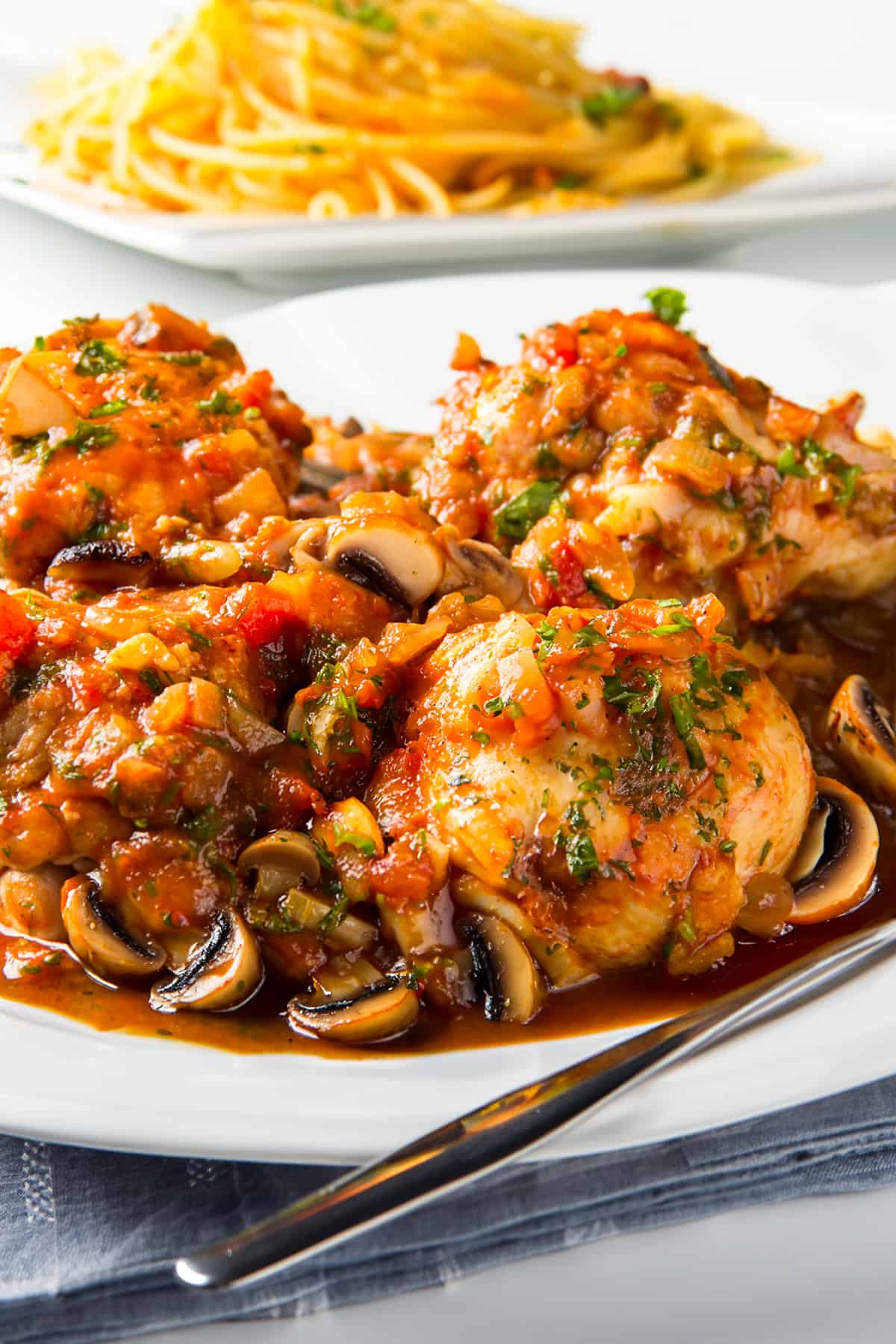
The Best Chicken Cacciatore: Italian Comfort on Your Stovetop
There are few dishes that evoke the heartwarming essence of Italian home cooking quite like chicken cacciatore. This rustic, deeply flavorful dish, often translated as "hunter's chicken," is more than just a meal; it's a culinary journey to the heart of Italy, a symphony of robust tomatoes, tender chicken, aromatic herbs, and savory olives. Whether you're seeking a hearty weeknight dinner or a comforting Sunday feast, chicken cacciatore delivers a rich, satisfying experience that the whole family will adore, effortlessly transforming your kitchen into an Italian trattoria.
The beauty of the best chicken cacciatore lies in its simplicity and versatility. While it simmers on your stovetop, filling your home with an irresistible aroma, it's quietly building layers of flavor that speak of generations of culinary tradition. This isn't just a recipe; it's an invitation to embrace the slow-cooked magic that makes Italian comfort food so universally beloved.
What is Chicken Cacciatore? Unraveling the "Hunter's" Secret
At its core, pollo alla cacciatora – Italian for "hunter-style chicken" – is a braised chicken dish characterized by its rich, savory tomato-based sauce. Historically, a hunter returning from the day's pursuits would use whatever fresh, local ingredients were available in their pantry or foraged from the land to prepare a hearty meal. This explains the dish's incredible adaptability and the myriad of regional variations found across Italy.
The defining elements of chicken cacciatore typically include:
- Tender Chicken: Braised until it's falling off the bone, usually dark meat cuts like thighs and drumsticks.
- Robust Tomato Sauce: The backbone of the dish, often made with canned crushed or whole tomatoes, sometimes enhanced with tomato paste and red wine for depth.
- Aromatics: Onions and garlic form the foundational flavor base, softened in good quality extra virgin olive oil.
- Herbs: Fresh rosemary, thyme, oregano, and basil are common, infusing the sauce with their fragrant notes.
- Savory Additions: Olives are a classic ingredient, providing a briny counterpoint to the rich sauce. Bell peppers, mushrooms, and a hint of red pepper flakes for a subtle kick are also popular inclusions depending on regional preferences.
It's a dish designed to be savored, where the ingredients meld together over time, creating a sauce so rich and complex, it begs to be sopped up with crusty bread.
Crafting the Ultimate Chicken Cacciatore: Ingredients and Technique
Achieving the best chicken cacciatore isn't complicated, but it does rely on a few key steps and quality ingredients. Think of it as building a flavor pyramid, one delicious layer at a time.
Choosing Your Chicken
For truly fall-apart tender chicken, dark meat cuts are your best friend. A mix of bone-in, skin-on chicken thighs and drumsticks is ideal. The bones contribute flavor to the sauce, and the skin, when properly seared, adds a beautiful richness. While chicken breasts can be used, they tend to dry out more easily during the long simmer, so ensure they are bone-in and skin-on, or adjust cooking times accordingly. Whichever cuts you choose, ensure they are thoroughly patted dry before cooking – this is crucial for achieving that coveted golden-brown crust.
Building the Flavor Base
The journey to the perfect cacciatore begins with searing. In a heavy-bottomed pot or Dutch oven, heat a generous amount of very good quality extra-virgin olive oil over medium-high heat. The fruitiness of a quality EVOO adds a subtle yet noticeable dimension to the final dish. Sear your chicken pieces until deeply golden brown on all sides. This browning isn't just for color; it develops a rich depth of flavor known as the Maillard reaction, essential for a truly authentic taste.
Once the chicken is seared and set aside, it's time to sauté your aromatics. Add sliced onions (and perhaps some minced garlic) to the same pot, scraping up any browned bits from the chicken. These fond bits are pure flavor! If you love peppers, now is the time to add a colorful mix of red and green bell peppers, sautéing them until just softened. For a rustic, northern Italian touch, consider adding hearty mushrooms alongside the onions and peppers, allowing them to release their earthy aromas.
The Hearty Sauce
With your aromatics fragrant and tender, it's time for the star of the sauce: tomatoes. While some families use fresh, ripe tomatoes, canned tomatoes are often preferred for their consistent quality and deep flavor, especially outside of peak season. Canned cherry tomatoes offer a natural sweetness, but crushed tomatoes or even whole peeled tomatoes (crushed by hand) work wonderfully. To deepen the flavors further, a tablespoon or two of tomato paste can be stirred in and cooked for a minute before adding the liquid. A generous splash of dry red wine – something like a Chianti or a robust Sangiovese – adds a tangy complexity and helps deglaze the pot, integrating all those lovely browned bits into the sauce.
Season your sauce with a good pinch of salt, freshly ground black pepper, and a hint of red pepper flakes if you enjoy a subtle warmth. Now, return your seared chicken pieces to the pot, nestling them into the rich sauce.
The Magic of the Simmer
This is where the transformation truly happens. Cover the pot and let your chicken cacciatore gently simmer over medium-low heat. The slow cooking allows the chicken to become incredibly tender and infused with the vibrant flavors of the tomatoes, herbs, and aromatics. For a stovetop version, 60-90 minutes is usually sufficient, with the sauce naturally thickening as it reduces. For an even richer, deeper flavor profile, you can easily transition this dish to a slow cooker, where it can gently stew for several hours, making the chicken truly fall-off-the-bone. For more detailed instructions on both methods, be sure to consult our Perfect Tender Chicken Cacciatore: Stovetop & Slow Cooker Guide.
Just before serving, stir in some briny olives – Kalamata or Castelvetrano olives are excellent choices – and a handful of fresh herbs like chopped parsley or basil. This burst of freshness adds color and elevates the aroma.
A Tapestry of Tastes: Regional Variations and Family Secrets
One of the most charming aspects of chicken cacciatore is its incredible regional diversity. Just like a hunter's foraging basket would vary by location, so too do the ingredients and preparations of this classic dish across Italy. My own childhood memories are filled with the Sicilian twist on cacciatore from my parents, often featuring more olives and perhaps capers. Then, trying my husband's Calabrian mother's version, I discovered subtle differences – perhaps a bit more chili, a slightly different mix of herbs, reflecting the robust flavors of Southern Italy.
Northern Italian versions, particularly from regions like Veneto or Tuscany, might incorporate more wild mushrooms and red wine, creating a richer, earthier sauce. Central Italian variations might lean into rosemary and sage, alongside bell peppers. This vibrant culinary landscape is why there’s no single "authentic" chicken cacciatore recipe, but rather a spectrum of authentic expressions. To delve deeper into these fascinating regional differences, explore our article on Explore Authentic Chicken Cacciatore: Regional Italian Variations.
Serving Your Hunter's Feast
The beauty of the best chicken cacciatore is that it's a complete meal in itself, but it truly shines when served alongside simple accompaniments that can soak up its magnificent sauce. Creamy polenta is a classic pairing, its delicate texture providing the perfect counterpoint to the robust stew. Fluffy mashed potatoes or a generous loaf of crusty Italian bread are equally excellent choices. For a fresh contrast, a simple green salad dressed with a vinaigrette can cut through the richness of the dish.
Garnish with additional fresh parsley or basil and perhaps a drizzle of your best extra-virgin olive oil for an added touch of elegance. Pair it with a medium-bodied red wine, perhaps the same one you used in the sauce, to complete the ultimate Italian comfort experience.
Conclusion
Chicken cacciatore is more than just a recipe; it's a celebration of Italian heritage, a testament to the power of simple, quality ingredients transformed into something truly extraordinary. Whether you follow a traditional recipe or adapt it to your family's tastes, the process of slow-simmering chicken in a fragrant, robust tomato sauce is a deeply rewarding culinary experience. So, gather your ingredients, take your time with the browning, and let the magic of Italian comfort food unfold on your stovetop. Your family, and your taste buds, will thank you.
